
Library
Science
Every article cites its sources. Evidence is labeled by type — trial, observational, survey, mechanism or anecdote.
What the Research Actually Says
An honest map of the carnivore evidence: the 2021 survey of 2,029 adults, the 1928 Bellevue meat-diet experiment, what low-carb trials can and cannot tell us, and the big unknowns.
Read →
Protein, Satiety and Body Composition
Why high-protein diets tend to be filling, what the evidence says about protein, fat loss and muscle, how much protein people actually need, and where the limits are.
Read →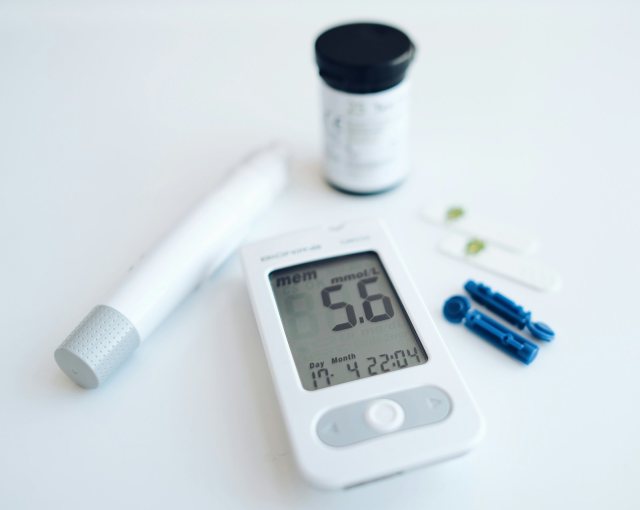
Carnivore and Blood Sugar / Insulin Resistance
What happens to blood glucose and insulin on a near-zero-carbohydrate diet, what trials of low-carb diets show for type 2 diabetes, and the medication safety issues you must not skip.
Read →
Nutrient Density: Can Meat Alone Cover Your Needs?
Animal foods are rich in many nutrients, but vitamin C, folate, vitamin K, magnesium and calcium need attention on carnivore. How organ meats, fish and dairy fill the gaps, and the scurvy question.
Read →
Gut Health Without Fiber
What happens to digestion and the gut microbiome when fiber drops to zero: the 2014 Nature animal-based diet study, the fiber-and-constipation debate, and the open long-term questions.
Read →
Carnivore, Ketogenic Diets and Mental Health: What the Evidence Shows
Ketogenic diets are being studied as an add-on treatment in psychiatry. Here is what pilot trials, case series and the first randomized trial show, what they do not, and how to approach this safely.
Read →
Autoimmune and Inflammatory Conditions: Evidence and Limits
Elimination diets, the Autoimmune Protocol, ketogenic trials and carnivore case reports in IBD, Hashimoto's, MS and arthritis: what has been shown, what has not, and how to test a diet responsibly.
Read →
Protein, Muscle and Aging: Carnivore for Healthy Longevity
Why muscle is a longevity organ, how much protein older adults need, what leucine does and does not do, why resistance training matters most, and the open questions about high protein and aging.
Read →